

VIP programmes can make online gambling feel more personalised, but extra rewards may also encourage longer sessions or larger deposits. For anyone comparing lussurio casino bonus information, the more useful question is not how to reach a higher tier, but whether the available controls help keep play within a planned limit. This practical guide explains how to use deposit, time and self-exclusion tools without treating loyalty benefits as a reason to increase gambling.
Begin with a limit that exists before play
A safer approach starts with a personal boundary rather than a promotion. Decide how much money and time you are prepared to spend over a defined period, then treat that amount as entertainment spending that may be lost in full. Do not use rent, bill money, credit intended for essentials or funds needed for emergencies. A VIP reward does not change the underlying odds, and a larger offer should not be treated as a discount on gambling losses.
Write down the limit before opening a session. A weekly or monthly amount can be easier to assess than an informal rule such as “I will stop when it feels expensive”. Include deposits, any fees disclosed by the payment method and money already lost during the period. If you receive a bonus, record the cash you personally deposited separately from promotional value. This distinction helps prevent a displayed balance from creating the impression that more spending is available.
Use a conservative figure if your budget is uncertain. You can always choose not to use the full amount, but increasing a limit during an emotional session is more difficult to reverse. A useful test is whether you would remain comfortable if the entire planned amount disappeared without producing a return. If the answer is no, reduce it or pause. VIP status should never be part of the calculation for rent, savings or other financial goals.
Which account controls are worth setting?
Different tools address different risks, so one setting may not be enough. A deposit limit restricts how much can be added during a selected period, while a loss limit focuses on the amount lost. A wagering limit may restrict total betting activity, and a session or time limit can help prevent play from continuing unnoticed. Read the account wording carefully, because the measurement period and reset process may differ between controls.
Reality checks can interrupt a long session with a reminder of elapsed time or activity. They are useful when games are fast, autoplay is available or several rounds can pass without a natural stopping point. Set reminders at intervals short enough to be meaningful, and leave the account when one appears rather than dismissing it automatically. A short break away from the screen can make it easier to assess whether continued play is still a deliberate choice.
Consider combining controls in layers. For example, set a modest deposit ceiling, a shorter session duration and a separate loss boundary. Keep records of deposits and withdrawals outside the casino account so that the overall picture is clear. If the available settings are difficult to find, contact support and ask which controls apply, when they take effect and whether a change can be reversed immediately. Do not assume that a limit on deposits also limits losses from funds already in the account.
Why VIP rewards deserve extra scrutiny
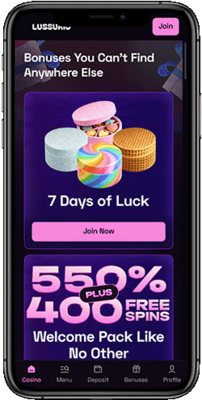
A loyalty scheme may offer cashback, reload promotions, tournaments, personal assistance or other account-level benefits. The exact value, eligibility requirements and wagering conditions can vary by campaign. Some rewards may not be withdrawable until requirements are met, while bonus-funded play may apply only to selected games or exclude categories such as live dealer, instant-win or crash games. Treat every offer as conditional until its current terms are clear.
The psychological risk is often less obvious than the financial one. A message suggesting that a player is close to a new tier can create pressure to deposit again, play longer or recover previous losses. Personal contact from an account manager may feel like recognition, but it is still connected to commercial activity. Decide in advance that you will not make a deposit solely to preserve a status, unlock a reward or avoid “wasting” progress already made.
Before accepting an offer, check the qualifying deposit, expiry period, wagering calculation, excluded games, maximum withdrawal rules and what happens if you withdraw while the promotion is active. If the terms are unclear, decline the reward rather than guessing. No cashback or VIP benefit can turn a negative expected-value activity into income. If an offer repeatedly tempts you to exceed your budget, disable promotional communications where possible and use a break instead of pursuing the next tier.
When should a cooling-off period become a pause?
A temporary break is appropriate when gambling begins to occupy more attention than intended. Warning signs can include checking balances repeatedly, hiding activity from someone close to you, chasing losses, cancelling planned spending, feeling irritable when unable to play or extending sessions after deciding to stop. None of these signs needs to become severe before you take action. A cooling-off period is a practical interruption, not a judgement about your character.
Use the account’s temporary suspension or cooling-off option if one is available, and choose a duration long enough to create distance from the immediate urge. During the break, remove saved payment details, unsubscribe from promotional messages and avoid keeping gambling pages open. Tell a trusted person what you are doing if that would add accountability. Do not replace one gambling account with another simply to bypass a pause.
For confidential information about gambling-related concerns in Canada, the Responsible Gambling Council’s public resources can help explain safer-play principles and where to seek support. If a break feels difficult to maintain, or gambling has affected debt, relationships, work or mental health, consider speaking with a qualified counsellor or local support service. The goal is not to protect a VIP level; it is to regain control over time and money.
How to use self-exclusion without loopholes
Self-exclusion is a stronger measure than a routine session limit. It is designed for situations in which restricting deposits or time has not been enough, or when you want gambling access removed for a defined period. Read the operator’s process carefully before confirming it. The request may involve selecting a duration, acknowledging conditions and understanding that reopening an account may not be available until the exclusion ends.
Once self-exclusion is active, do not create another account or use another person’s details to continue gambling. Account rules commonly restrict duplicate registrations, and attempts to bypass an exclusion can expose both financial and personal information. Ask support how promotional messages, existing balances and pending verification matters are handled, but do not interpret a support reply as permission to keep playing during the exclusion period.
Make the environment consistent with the decision. Remove gambling applications or bookmarks, install blocking software where useful and ask your bank whether gambling-payment blocks or merchant controls are available. Keep confirmation of the exclusion request and review statements for unexpected transactions. If you are worried about immediate spending, give trusted support to someone who can help you manage access to funds. A self-exclusion is most effective when it is combined with practical barriers outside the account.
Questions about casino VIP programmes and safer play
Can a VIP programme make gambling safer?
No. A VIP programme may provide account tools or support, but rewards themselves do not reduce game risk or guarantee better outcomes. Safer gambling depends on limits, breaks and informed decisions. If loyalty benefits encourage larger deposits or longer sessions, declining them or taking a break is the safer choice.
Should I accept a cashback or reload offer?
Only if you can treat the qualifying deposit as money you may lose and remain within your existing budget. Check the current terms, wagering calculation, expiry and withdrawal conditions first. Never increase spending to qualify, recover a loss or protect a loyalty level.
What if I cannot keep my own limit?
Stop gambling and use a cooling-off period or self-exclusion rather than repeatedly raising the limit. Remove payment access, tell someone you trust and seek confidential support. Difficulty maintaining a boundary is a reason for stronger barriers, not evidence that you need a larger VIP reward.